

The Table That Helped Me Walk Again:
How Shared Meals With Older Adults Became the Heart of My Recovery
Nutrition Month often focuses on what goes on the plate — protein, vegetables, vitamins, hydration. But during my stay at the Toronto Rehab Stroke Unit, I learned something far more powerful:
It’s not just what we eat that nourishes us — it’s who we eat with.
In 2014, after my stroke, I became an unexpected resident of the rehab centre. I was much younger than the average age of the patients around me — many in their late seventies and early eighties. While I was relearning how to walk, many of them were recovering from life-altering events of their own. We all had different stories, but every day at mealtime, we ended up in the same place:
the dining room.
It wasn’t long before that room became the heartbeat of my recovery.
A Table Full of Strangers Who Became Family
On my first day, I rolled into the dining area feeling overwhelmed and very alone. Then I was invited to sit at a table with a group of older adults who had clearly been through this routine before.
They welcomed me with smiles — the kind that say, You’re one of us now.
And suddenly, I wasn’t alone anymore.
At that table, we shared more than meals:
• We shared stories.
• We shared fear.
• We shared good days and bad days.
• We shared victories — even the tiny ones.
• We shared jokes (sometimes wildly inappropriate ones).
• We shared hope.
Every breakfast, lunch, and dinner felt like sitting with grandparents you didn’t know you had.
They teased me lovingly about being “the baby of the unit.”
I teased them back about being “wild troublemakers disguised as older adults.”
There was laughter — real, healing laughter — in a place where fear and frustration often hung heavy in the air.
Nutrition, Yes — But Also Nourishment
We ate together, yes. But mealtimes became therapy long before physiotherapy started.
Because while the food gave us energy, the connection gave us strength.
I watched these older adults celebrate each other’s progress:
- A man who stood up from his wheelchair for the first time.
- A woman who managed to feed herself without help.
- Someone who walked an extra five steps that morning.
- Someone who simply smiled for the first time in days.
Every achievement was recognized.
Every effort was honoured.
Every moment mattered.
They taught me that healing doesn’t happen in isolation.
It happens in community — even if that community is built unexpectedly in a hospital dining room.
The Day I Walked Back to the Table
There is one moment I’ll never forget:
The first time I walked into the dining room without a wheelchair.
Not smoothly. Not confidently. Not without fear.
But on my own two feet.
The entire table erupted in applause.
As if I had just run a marathon.
As if I had climbed a mountain.
In that moment, I understood something profound:
Recovery is not measured by distance — it’s measured by support.
My physical body was healing.
But my spirit healed at that table.
The Man Who Got Me Some Soup — and Shared His Strength
One day, an older gentleman noticed I barely touched my meal. I was frustrated, tired, defeated. He stood up and took himself to the kitchen and came back with a small bowl of soup, gently pushed bowl toward me and said:
“Eat a little. Healing takes energy. You don’t have to feel strong — you just have to keep going.”
I don’t remember his name.
But I remember his kindness.
And I remember taking that first small sip — not for nutrition, but because someone believed in me when I didn’t believe in myself.
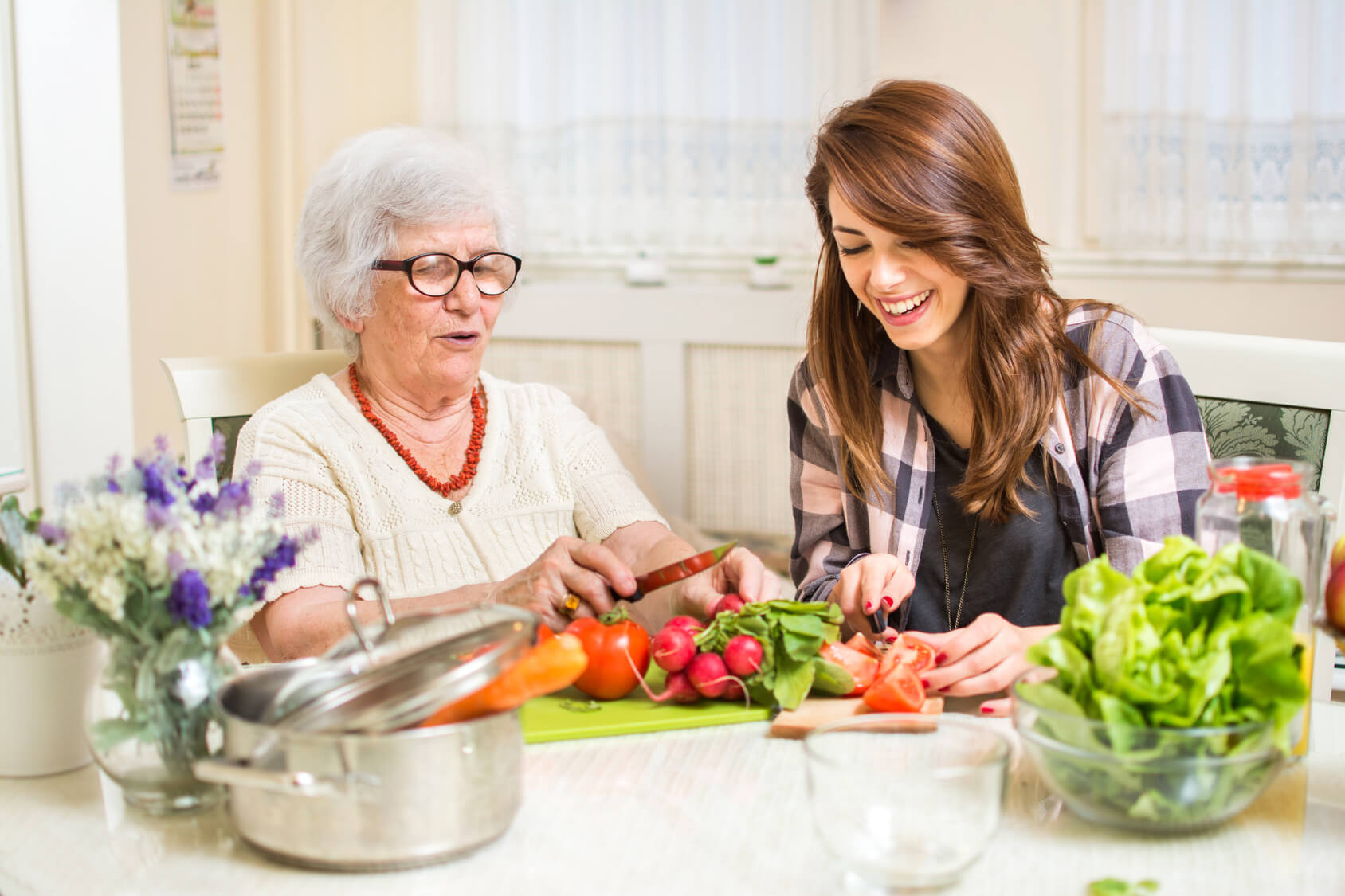
Why This Matters for Older Adults in the Community
My experience isn’t just a personal story — it’s a lesson in the power of community-based nutrition.
For older adults living at home, shared meals can:
- reduce loneliness
- improve appetite
- boost mood
- support mobility and independence
- ensure proper nutrition
- foster a sense of belonging
- help maintain a healthy routine
And community organizations like CANES Community Care help make this possible by offering:
- meal preparation support
- social dining programs
- friendly visiting
- wellness checks
- assistance maintaining daily routines
- community connection that prevents isolation
Food is nutrition.
But meals are community care.
Closing Thought
Nutrition Month is often about guidelines, portion sizes, and recommended daily servings. Those things matter — but my time in rehab after my first life-altering stroke taught me something deeper:
Healing happens at the table.
In the conversations, the laughter, the encouragement, the shared struggles, and the shared soup.
Those older adults helped me stand again — literally and emotionally.
And every older adult deserves that same warmth, connection, and nourishment.
This March, let’s celebrate not just healthy eating, but the power of shared meals to heal hearts, minds, and bodies.